Outdoor Features Built for Decades of Performance
Hardscaping in Lake Norman for improving property organization, accessibility, and outdoor functionality
Properties with poorly defined walkways, inconsistent grade transitions, or underutilized outdoor areas often lack the hardscape features that make yards functional and easy to navigate. Hardscaping installs walkways, retaining elements, gathering spaces, and landscape enhancements that organize outdoor areas and improve how you move through and use your property. Lake Norman Deck and Patio creates durable installations designed for long-term performance across the region's seasonal weather patterns, from heavy summer rainfall to freeze-thaw cycles that test material stability.
The work involves grading and preparing base layers that prevent settling, selecting materials that handle foot traffic and moisture exposure without degrading, and integrating hardscape features with existing patios, decks, and landscape elements so the property functions as a cohesive outdoor space. Each installation is tailored to the property's specific layout, drainage patterns, and how homeowners actually use their yards.
Discuss hardscape design and installation options to identify features that would improve your property's usability and appearance.
What Proper Hardscaping Requires
Installation begins with excavation to proper depth, then building compacted base layers that resist settling under weight and moisture fluctuations—skipping base preparation leads to uneven surfaces within a few seasons as materials shift and sink. Stone selection considers slip resistance when wet, how surface texture affects barefoot traffic near pools or patios, and whether color tones complement existing structures.
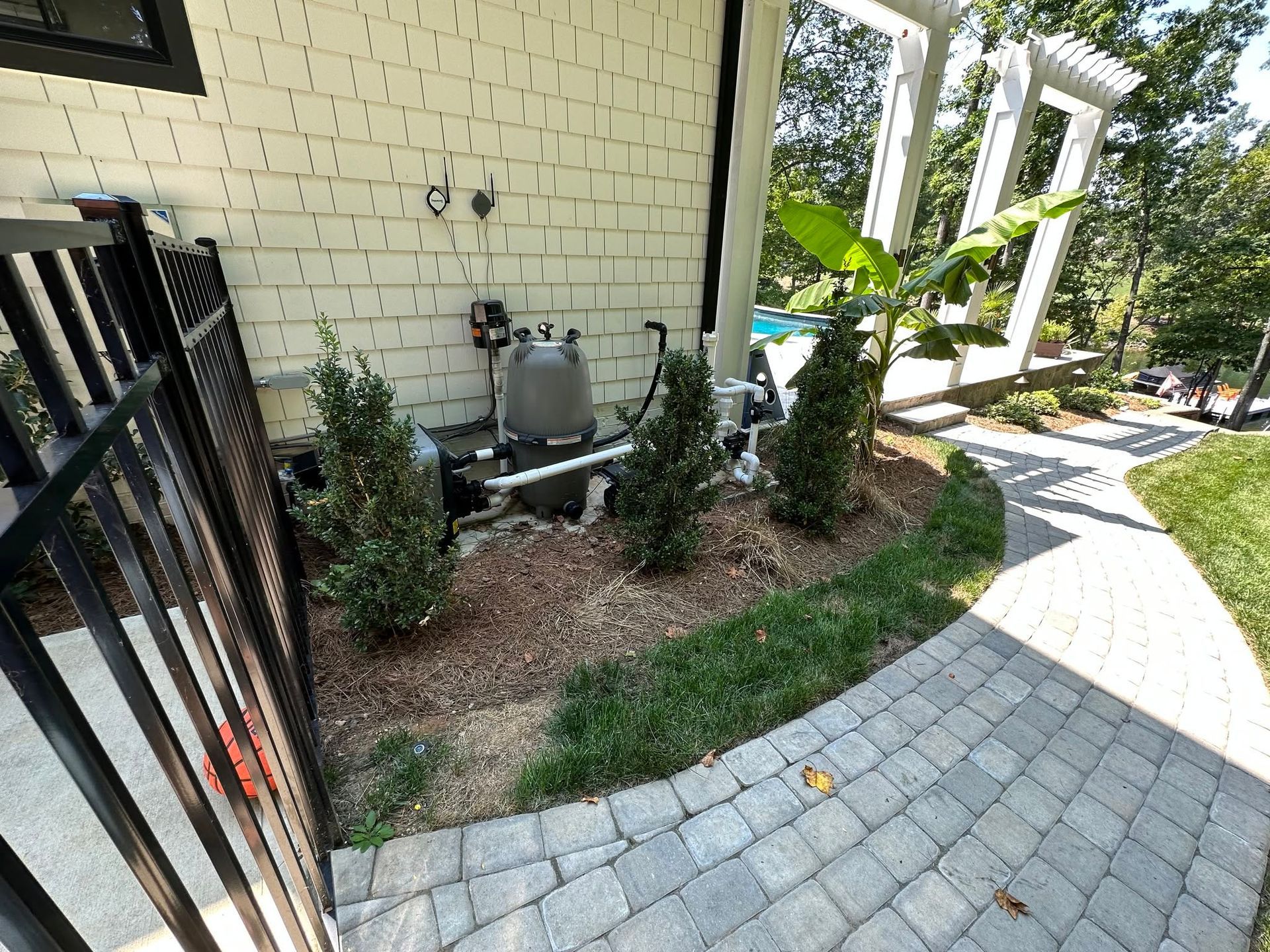
After installation, you notice defined pathways that eliminate worn dirt trails across the lawn, level transitions between different outdoor areas that no longer collect standing water, and gathering spaces with stable surfaces that don't require leveling furniture or dealing with muddy conditions after rain. Properly installed hardscaping stays level and functional through years of use and weather exposure.
Projects can include retaining walls that manage slopes and create usable flat areas, fire pit surrounds with seating walls, or multi-level patios that expand outdoor living space—design flexibility allows hardscaping to address both functional problems and aesthetic goals. The focus remains on creating features that perform reliably rather than requiring ongoing adjustments or repairs.
Answers to Frequent Service Questions
Homeowners planning hardscape installations want clarity on material performance, how design choices affect long-term results, and what separates durable work from installations that fail prematurely. These responses explain what matters during the design and construction process.
What causes hardscape features to settle unevenly or develop low spots over time?
Inadequate base compaction allows voids to form beneath surface materials, which collapse under weight and create depressions—proper installation requires multiple compacted base layers and edge restraint that prevents lateral spreading, especially in areas with clay soils that expand and contract with moisture changes common around Lake Norman.
How do you prevent water from pooling on walkways or patio surfaces?
Grading during installation creates subtle slopes that direct water away from structures and toward drainage areas, while joint spacing between pavers allows some infiltration—surface water management must be planned before materials are set, not adjusted afterward when pooling becomes obvious during the first heavy rain.
What hardscape materials hold up best in high-traffic areas?
Natural stone and concrete pavers withstand foot traffic and furniture weight without surface degradation, while gravel and decomposed granite require periodic replenishment as materials compress and migrate—durability needs to match how intensively the area will be used, not just how the materials look when first installed.
Can hardscaping be integrated with existing landscape plants and garden beds?
Installations are designed around established plantings when preservation matters, with edges that define planting areas and prevent mulch migration onto hardscape surfaces—coordination between hardscape layout and landscape features creates visual cohesion and reduces ongoing maintenance demands.
How long before newly installed hardscaping is ready for full use?
Walkways and patios can typically handle foot traffic immediately after installation once surface materials are set and compacted, though areas with fresh plantings or newly graded edges may need brief protection until surrounding soil stabilizes and vegetation establishes roots.
Lake Norman Deck and Patio designs hardscape installations that solve specific property challenges while enhancing the overall functionality and appearance of your outdoor spaces. Schedule a consultation to review your property's layout, discuss design possibilities, and develop a plan that creates lasting improvements tailored to how you use your yard.